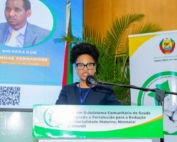

The Director-General of the National Health Institute (INS), Eduardo Samo Gudo, recently stressed, during the opening of the 3rd Meeting of the PANGenS Consortium – Pan-African Network for Genomic Surveillance of Poverty-Related Diseases and Emerging Pathogens, that genomic surveillance is a key tool in the fight against tuberculosis in Mozambique.
“Genomic epidemiology offers a transformative tool, as advanced genomic analyses make it possible to rapidly detect drug resistance, trace transmission pathways, and gain deeper insights into pathogen-host dynamics,” he said.
In turn, the Deputy Director-General of INS for the Scientific Area, Sofia Viegas, pointed out that the recent floods in the country have once again highlighted how climate-related emergencies can disrupt health services, displace communities, and increase vulnerability to infectious diseases such as tuberculosis.
“In these contexts, timely data, robust laboratories, and collaboration are essential for effective preparedness and response,” argued that the consortium could not be more timely.
Through the PANGenS consortium, Mozambique and other African countries are strengthening genomic surveillance of tuberculosis and malaria, investing in the creation of sustainable laboratory and technical capacities, applicable not only to these priority diseases but also to other emerging threats and future public health emergencies.
Viegas also explained that through PANGenS, by strengthening genomic surveillance of tuberculosis and malaria, they are not only addressing two important priority diseases but also building sustainable capacity that can be applied to any pathogen, including those responsible for outbreaks and public health emergencies.
During the three-day event, several experts debated topics such as “Integrated molecular surveillance for combating drug-resistant tuberculosis in high-incidence settings” and “Evolution of bedaquiline resistance and implementation of next-generation sequencing in Africa.”